2026 Honda Civic Maintenance Schedule: The Hybrid & Gas Guide
The 2026 Honda Civic is a machine built for longevity, but the rules of maintenance have changed. With the arrival of the new Civic Hybrid powertrain, the old "oil and filter" routine isn't the whole story anymore.
Unlike the HR-V or CR-V which often focus on All-Wheel Drive maintenance, the Civic’s health depends on two things: protecting the turbo (on Si/Type R) or managing the high-voltage system (on Hybrids).
Whether you drive the efficient Sport Hybrid or the gas-powered LX, this guide breaks down the Honda Maintenance Minder™ codes and the specific services your Civic needs to survive Ponca City summers.
Decoding the Dash: "A1" vs. "B1"
 |
The Main Codes
-
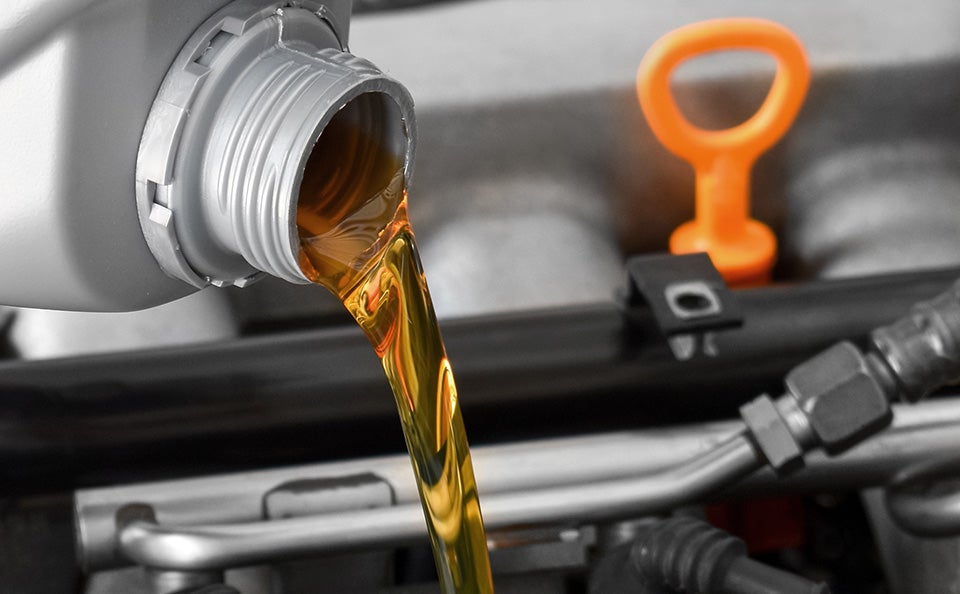
Code A: Replace engine oil. (Filter replacement is technically optional per Honda, but at Cannon Honda, we always replace the filter. It’s inexpensive insurance.)
-
Code B: Replace engine oil and filter, plus a critical inspection of the brakes (especially important for Hybrid models where brake pad wear behaves differently) and suspension components.
The Sub-Codes (Civic Specifics)
- 1: Rotate tires. (Crucial for FWD Civics, where front tires typically wear about twice as fast.)
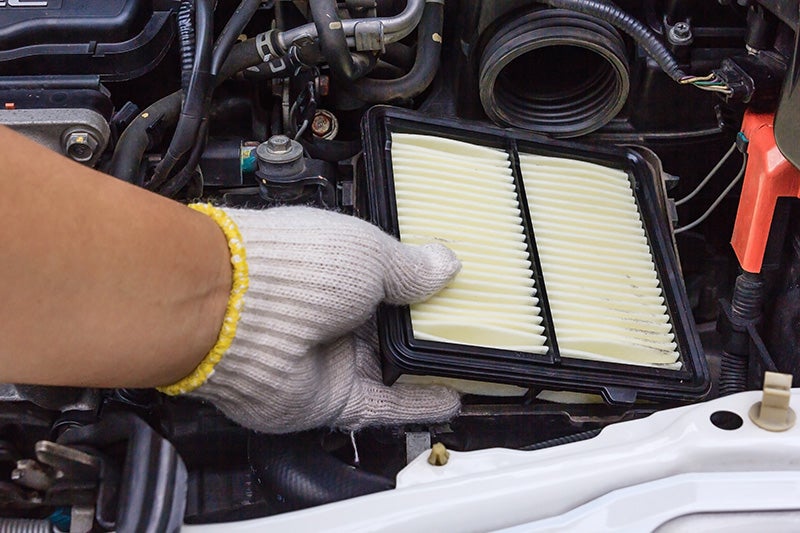
- 2: Replace engine air cleaner and cabin air filter.
- 3: Replace transmission fluid.
- 4: Replace spark plugs.
- 5: Replace engine coolant.
- 7: Replace brake fluid.
- Note: You likely won’t see Code 6 on a standard Civic Sedan, as it applies to rear differential fluid on AWD models.
|
Hybrid-Specific Maintenance: The "Hidden" Filters
-
High-Voltage Battery Intake Filter:
- What it is: A small filter located near the rear seat that keeps dust out of the hybrid battery cooling fan.
- The Risk: If clogged with dog hair or dust, the battery can overheat, reducing MPG and potentially triggering a warning light.
- The Fix: We inspect and clean this every 15,000–30,000 miles.
-
Inverter Coolant:
- What it is: A separate cooling loop just for the high-voltage electronics.
- The Schedule: Typically changed at 100,000 miles (Code 5), but levels must be checked at every B-service.
-
Brake Pads (The Good News):
- Because the hybrid motor slows the car down via regenerative braking before the pads touch the rotors, Civic Hybrid brakes often last twice as long as gas models—sometimes up to 70,000+ miles.
|  |
The 1.5L Turbo vs. 2.0L Hybrid: Oil Matters
The 2026 Civic lineup uses two very different engines, and they tolerate neglect differently.
| Engine |
Trims |
Oil Requirement |
Critical Note |
| 2.0L 4-Cyl (Gas) |
LX, Sport |
0W-20 Full Synthetic |
Bulletproof reliability. Very forgiving if you go slightly over mileage (though we don't recommend it). |
| 2.0L 4-Cyl (Hybrid) |
Sport Hybrid, Sport Touring Hybrid |
0W-20 Full Synthetic |
The engine stops/starts constantly. High-quality oil is vital to protect the bearings during these thousands of restart cycles. |
| 1.5L Turbo |
Si |
0W-20 Full Synthetic |
Zero tolerance. Turbos spin at 100,000+ RPM. Old or low oil will kill a turbocharger fast. Do not skip services. |
The "Cannon Advantage"
Why service at Cannon Honda instead of a quick-lube shop?
- Honda Service Pass: For the 2026 model year, your first 2 years (or 24,000 miles) of scheduled maintenance are complimentary. You pay $0.
- Hybrid Certification: Our techs are trained to handle high-voltage systems safely. Most generic shops lack the tools to balance hybrid battery cells or check inverter health.
- Lifetime Warranty Retention: Our Lifetime Powertrain Warranty is valid as long as you follow this schedule. We keep the records so you don't have to.
Is your orange wrench light on? Don't wait. Whether it's a simple oil change or a hybrid system checkup, schedule your service with Cannon Honda today.