2026 Honda CR-V vs. 2026 Toyota RAV4: Which Compact SUV Wins?
If you’re shopping for a compact SUV in Ponca City, the conversation usually starts and often ends with two heavy hitters: the Honda CR-V and the Toyota RAV4.
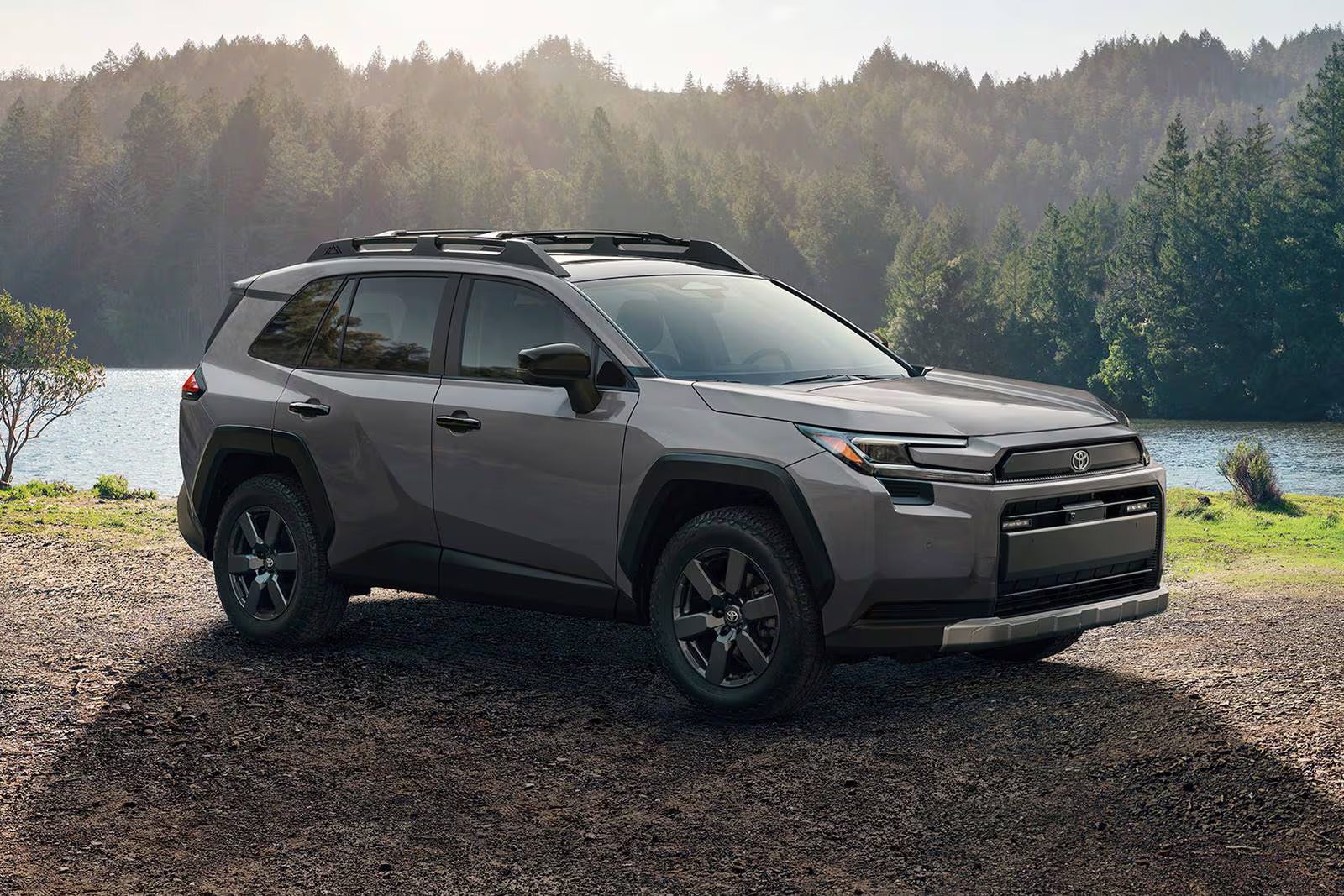
For 2026, the battle has shifted significantly. While the Toyota RAV4 has moved to a hybrid-only lineup with an aggressive, truck-like design, the 2026 Honda CR-V doubles down on what matters most to families: class-leading interior space, superior on-road comfort, and a more refined, upscale driving experience.
This guide compares the specs, dimensions, and real-world performance to help you decide which SUV belongs in your driveway.
Quick Verdict: The "Why Buy" Snapshot
 |
 |
-
Choose the 2026 Honda CR-V if: You prioritize passenger comfort, maximum cargo space, and a smoother, quieter daily commute. It’s the better choice for families who need usable room for car seats and groceries.
|
-
Choose the 2026 Toyota RAV4 if: You need maximum towing capacity (up to 3,500 lbs on specific trims) or want a dedicated off-road trim like the Woodland Edition.
|
Head-to-Head: Performance & Efficiency
The biggest change for 2026 is Toyota’s decision to drop the gas-only engine. The CR-V continues to offer choice, giving you a proven turbo-gas engine for value or a refined two-motor hybrid system for efficiency.
| Feature |
2026 Honda CR-V (Gas) |
2026 Honda CR-V (Hybrid) |
2026 Toyota RAV4 (Hybrid Only) |
| Engine |
1.5L Turbo 4-Cylinder |
2.0L 4-Cyl + 2-Motor Hybrid |
2.5L 4-Cyl Hybrid System |
| Horsepower |
190 HP |
204 HP |
226 HP (FWD) / 236 HP (AWD) |
| Torque |
179 lb-ft |
247 lb-ft |
163 lb-ft (Engine Only) |
| Transmission |
CVT |
e-CVT |
e-CVT |
| Fuel Economy |
28 City / 34 Hwy |
43 City / 36 Hwy |
47 City / 41 Hwy |
| Towing Capacity |
1,500 lbs |
1,000 lbs |
3,500 lbs |
Interior Dimensions: The "Family Test"
This is where the Honda CR-V creates a clear gap. It is physically larger than the RAV4, and that translates directly into more room for your passengers and gear.
-
Rear Legroom: The CR-V offers 41.0 inches of rear legroom compared to the RAV4's 37.8 inches. That 3+ inch difference is massive if you have tall teenagers or bulky rear-facing car seats.
-
Cargo Space: With the rear seats folded, the CR-V provides 76.5 cubic feet of maximum cargo space. The RAV4 tops out at roughly 69.8 cubic feet. That’s equivalent to fitting two extra carry-on suitcases in the Honda.
| Dimension |
2026 Honda CR-V |
2026 Toyota RAV4 |
Advantage |
| Passenger Volume |
103.5 cu. ft. |
98.9 cu. ft. |
Honda (+4.6 cu. ft.) |
| Rear Legroom |
41.0 in. |
37.8 in. |
Honda (+3.2 in.) |
| Cargo (Seats Up) |
39.3 cu. ft. |
37.6 cu. ft. |
Honda (+1.7 cu. ft.) |
| Cargo (Max) |
76.5 cu. ft. |
~69.8 cu. ft. |
Honda (+6.7 cu. ft.) |
Technology & Features
 |
 |
-
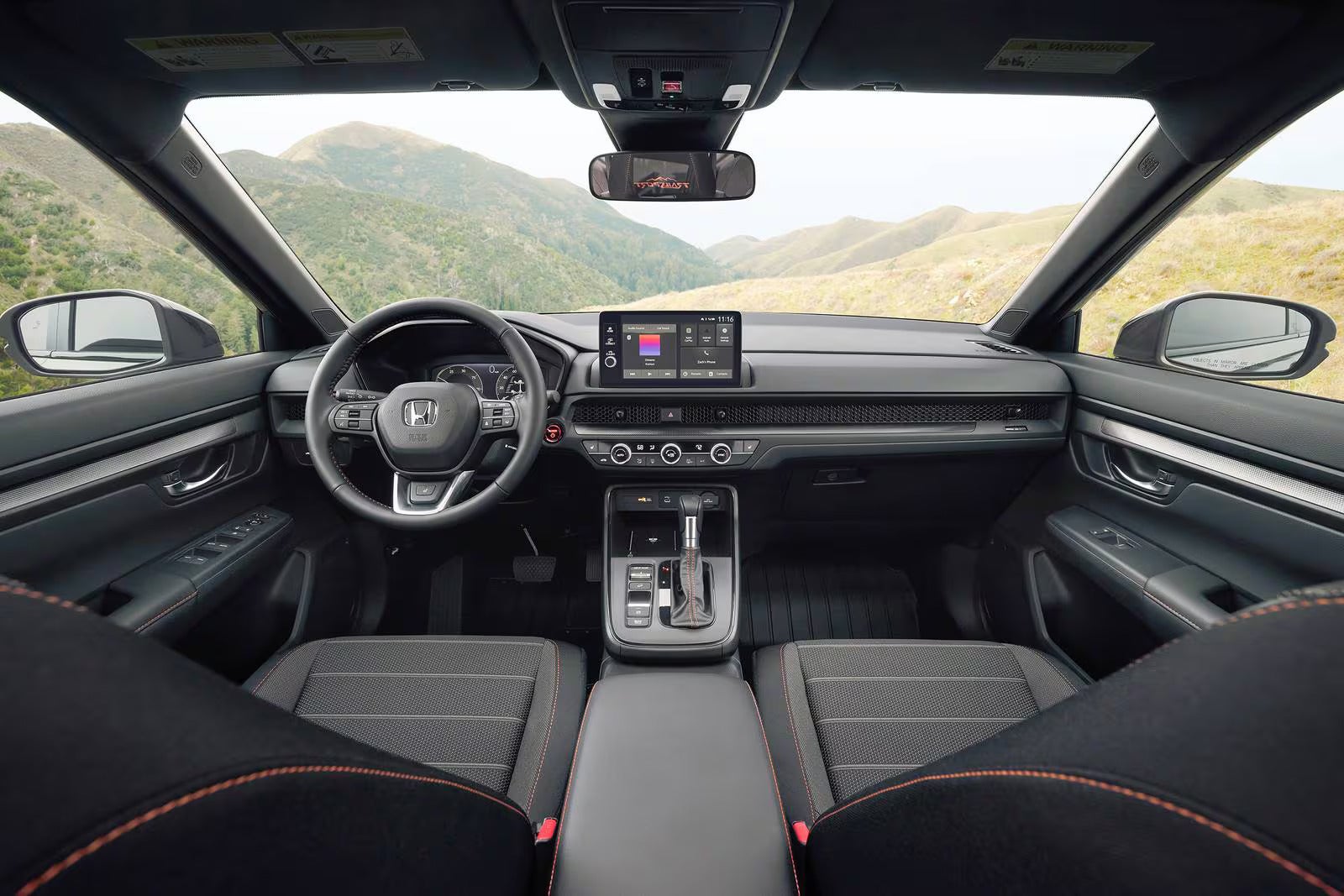
Honda CR-V: Focuses on an uncluttered, intuitive cabin. The honeycomb mesh dash vents hide the air vents for a clean look, and the available Bose® Premium Sound System (Touring trims) is widely considered superior to the RAV4’s JBL system by audiophiles.
|
-
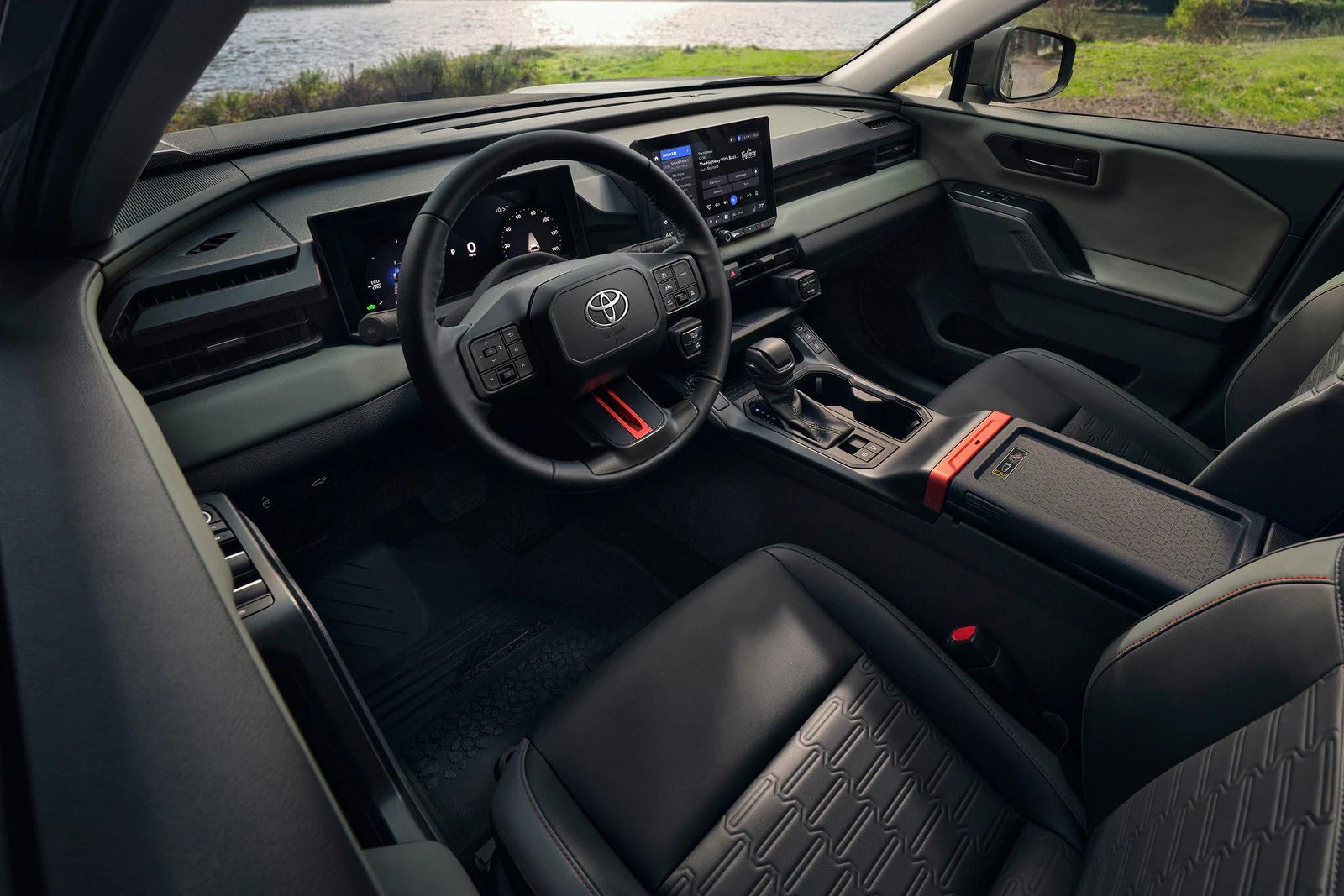
Toyota RAV4: Leans into a rugged aesthetic with chunkier knobs and a more utilitarian layout. It offers a larger optional touchscreen (12.9-inch vs Honda's 9-inch), but some users find the interface more complex.
|
Conclusion: Which One Fits Your Life?
The 2026 Toyota RAV4 is a capable machine, especially if you need to tow a small boat. But for the 95% of driving you do every day, including commuting, school runs, and grocery hauls, the 2026 Honda CR-V is the superior package. It’s roomier, more comfortable, and offers a driving feel that is both engaging and relaxing.
Stop by Cannon Honda in Ponca City today to test drive the new CR-V. We’ll even park it next to a RAV4 so you can compare the rear legroom for yourself.